
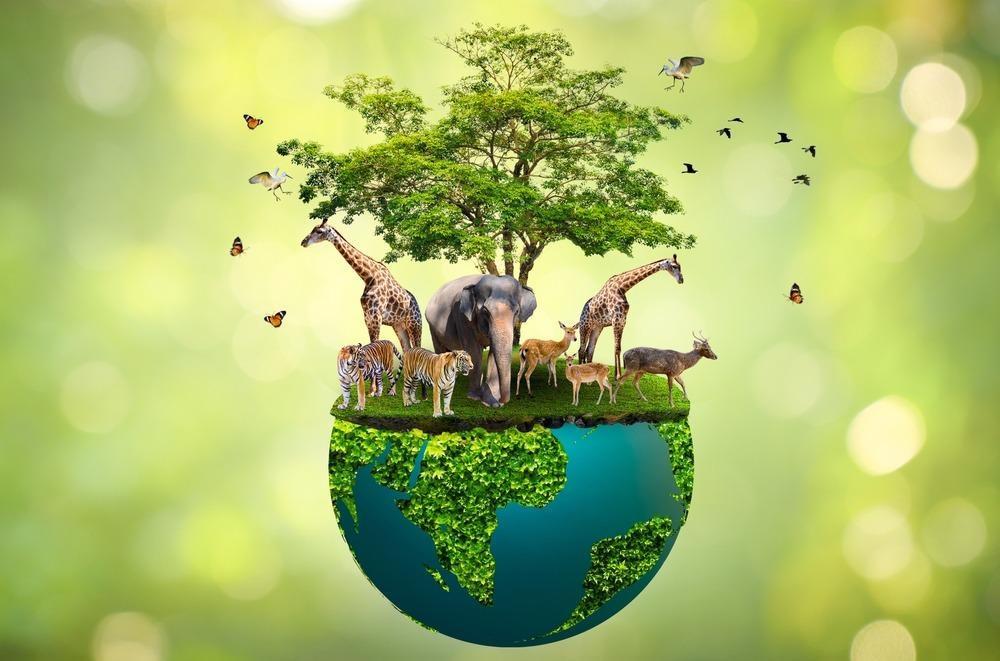
Immersing oneself in the beauty of nature can be a truly transformative experience, and for many, wildlife photography serves as a means to capture and preserve those fleeting moments of wonder. From the majestic movements of a wild animal to the delicate dance of a butterfly, there is no limit to the marvels one can discover in the natural world. In this article, we will explore essential wildlife photography tips that will help you to effectively capture and share the unparalleled beauty of nature through your lens.
Understanding the Behavior of Wildlife Subjects
When it comes to capturing the beauty of wildlife subjects in your photography, understanding their behavior is key. By observing how animals interact with their environment, you can anticipate their movements and reactions, allowing you to capture stunning shots. To help you improve your wildlife photography skills, here are some tips to keep in mind:
- Research Your Subjects: Before heading out to photograph wildlife, do some research on the behavior patterns of the animals you plan to shoot. This will give you valuable insight into their habits and help you predict their movements.
- Be Patient: Wildlife photography requires a great deal of patience. It may take hours of waiting to get the perfect shot, but the end result will be well worth the effort.
- Respect Their Space: Remember that you are a guest in the animals’ habitat. Always maintain a safe distance and never disturb or harass the wildlife for the sake of a photograph.
| Tip | Description |
|---|---|
| Use Natural Light | Avoid using flash as it can startle the animals. Instead, opt for natural light to capture the true beauty of wildlife. |
| Shoot at Eye Level | Get down to the animal’s eye level to create a more intimate and engaging photograph. |
Choosing the Right Camera Equipment for Wildlife Photography
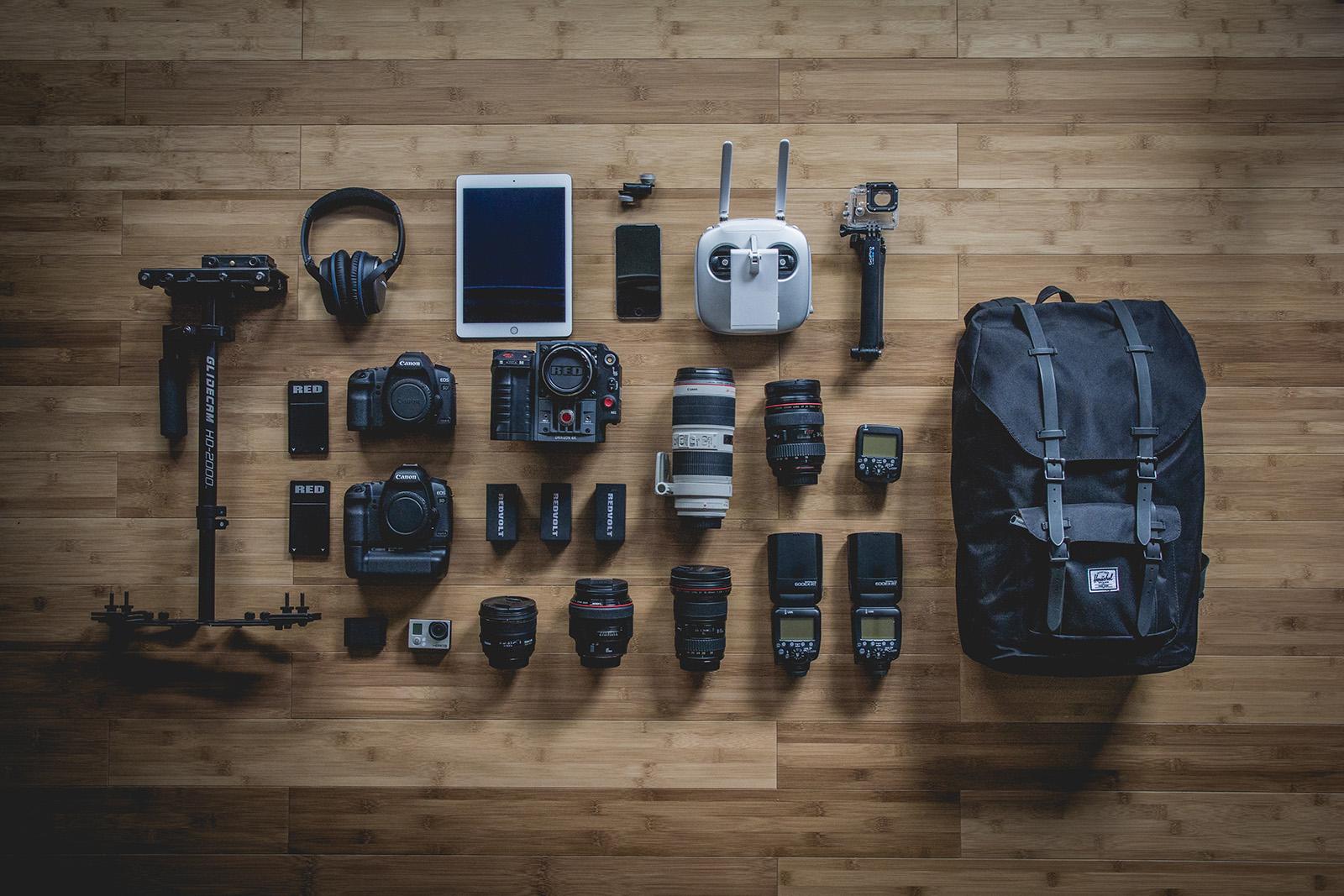
When it comes to wildlife photography, choosing the right camera equipment is crucial for capturing nature’s beauty. One of the most important factors to consider is the type of camera you will be using. A DSLR camera is typically preferred for wildlife photography due to its versatility and ability to capture high-quality images. Make sure to invest in a camera body that is weather-sealed to protect it from the elements while out in the wild.
Another essential piece of equipment for wildlife photography is a telephoto lens. A lens with a focal length of at least 300mm is recommended to capture animals from a safe distance without disturbing their natural behavior. Additionally, consider investing in a sturdy tripod to keep your camera steady during long periods of waiting for the perfect shot. Remember to pack extra batteries and memory cards to ensure you never miss a moment in the field.
Mastering Composition Techniques for Stunning Nature Shots
When it comes to wildlife photography, mastering composition techniques is essential to capture the beauty of nature in your shots. By understanding how to frame your subject, use leading lines, and balance your image, you can create stunning photographs that truly showcase the wonder of the natural world.
One key composition technique to keep in mind is the rule of thirds. By dividing your frame into thirds both horizontally and vertically, you can create a more visually appealing image. Placing your main subject or focal point on one of the intersecting points of these lines can help draw the viewer’s eye and create a sense of balance and harmony in your photograph. Additionally, utilizing leading lines such as a winding river or a row of trees can help guide the viewer’s gaze through the image, adding depth and interest to your nature shots. Remember to experiment with different angles and perspectives to find the composition that best captures the beauty of the natural world.
Utilizing Light and Weather Conditions to Enhance Wildlife Photographs
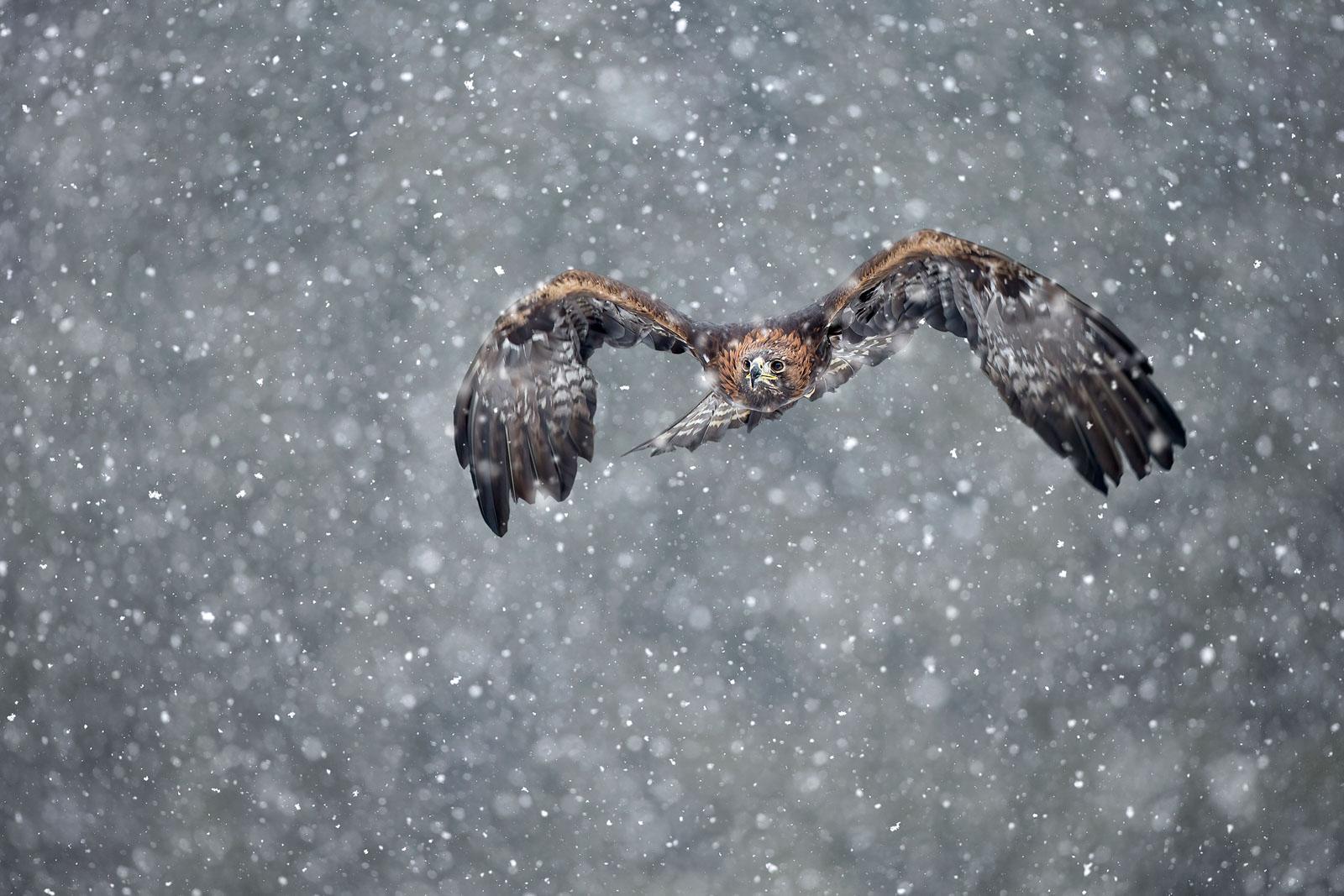
When it comes to wildlife photography, one of the key elements that can make a huge difference in the quality of your photos is utilizing light and weather conditions to your advantage. By understanding how to work with natural light and different weather patterns, you can capture stunning images that truly showcase the beauty of wildlife in their natural habitats.
One tip for enhancing your wildlife photographs is to pay attention to the time of day and the direction of light. Early morning and late afternoon typically offer the best lighting conditions for capturing warm, soft light that can highlight the textures and colors of your subjects. Additionally, experimenting with backlighting can create dramatic silhouettes and add interest to your images. Don’t be afraid to get creative with your composition and use the weather to your advantage – whether it’s capturing animals playing in the rain or birds soaring through a stormy sky, embracing different weather conditions can lead to unique and captivating wildlife photographs.
Insights and Conclusions
As you embark on your wildlife photography journey, remember to approach each moment with patience, respect, and creativity. Let nature guide your lens, allowing the beauty of the natural world to speak through your images. With these tips in mind, may you continue to capture the untamed essence of the wilderness and inspire others to cherish and protect our precious wildlife. Happy shooting!